Best Time to Hike Pico Viejo and Teide: Month by Month
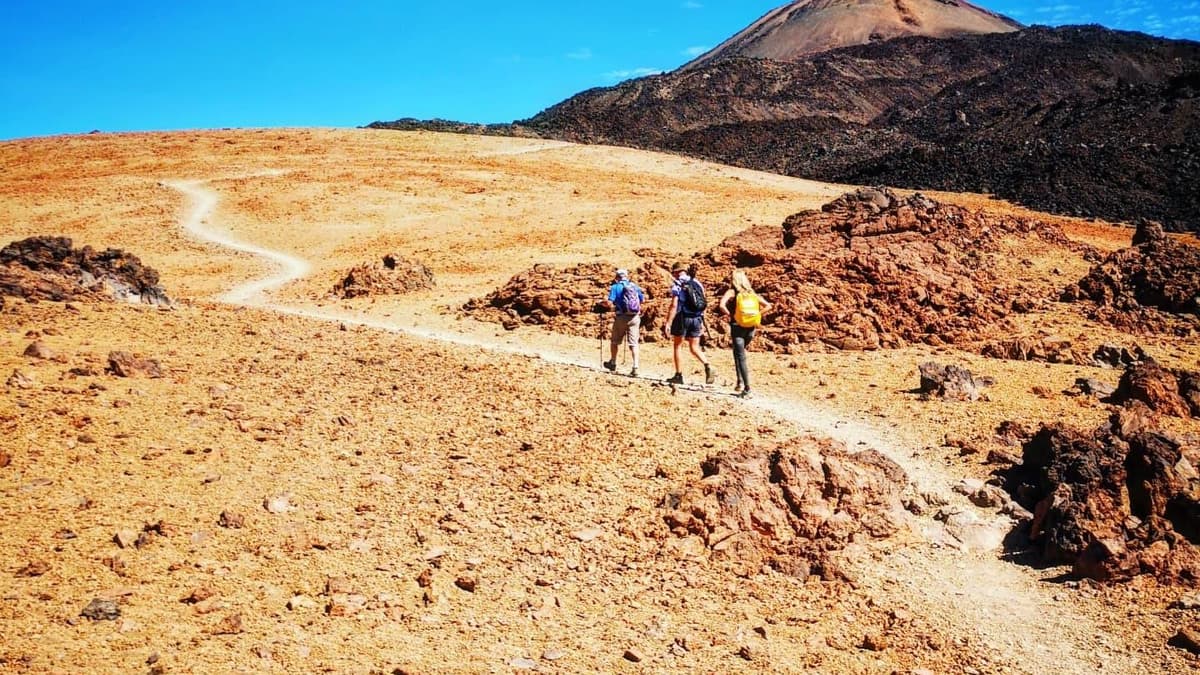
The best months to hike Pico Viejo are usually April–June and September–November: mild temperatures, stable weather and no snow. Winter (roughly December to March) can bring snow and ice that close the high trails; summer brings strong sun and heat on the dark lava. Whatever the month, start early.
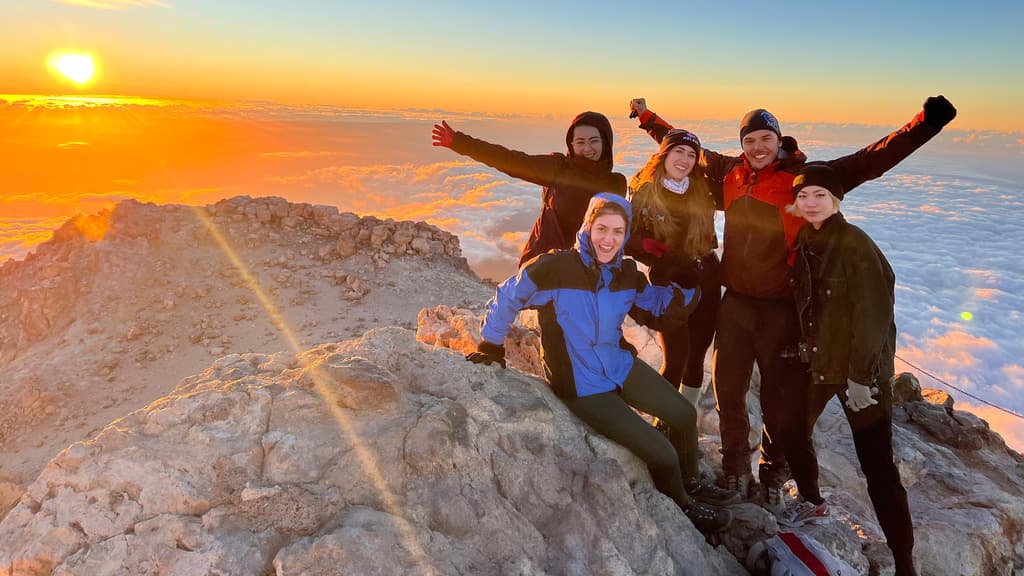
Month by month
| Months | Conditions at altitude | For Pico Viejo |
|---|---|---|
| Dec–Mar | Cold, possible snow and ice; clear, crisp days between storms | Check trail status daily; closures possible |
| Apr–Jun | Mild days, cold mornings; spring flowers lower in the park | Very good |
| Jul–Aug | Hot sun, little shade, strong UV; cold nights | Good with an early start and lots of water |
| Sep–Nov | Settled, mild; first cold snaps late in the season | Very good |
Winter: snow and closures
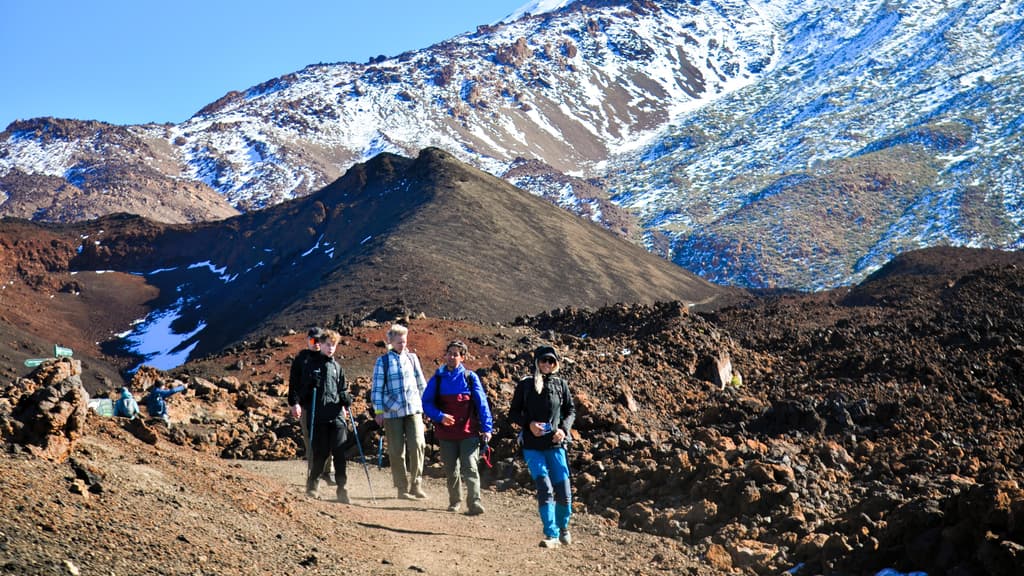
Snow on Teide is one of Tenerife’s winter sights, and it can make high trails icy and dangerous. After snowfall, the park closes routes until they are cleared and safe, and the cable car may stop in strong wind. If you visit between December and March, keep your plans flexible and check the official trail status on the day.
Summer: heat and sun
In July and August the coast is hot and the park’s dark lava fields absorb the sun. At altitude the air is thinner and UV is intense. Start at sunrise, carry at least 2–3 litres of water each, and cover up – a long-sleeved shirt, hat and sunglasses. Many hikers are surprised by how cold it gets at night and early in the morning even in midsummer.
Best time of day
- Early morning: clearest air, coolest temperatures, calmer wind. Ideal for the crater hike.
- Midday: hottest and brightest; clouds can build on the slopes.
- Late afternoon: beautiful light, but make sure you have time to descend before dark.
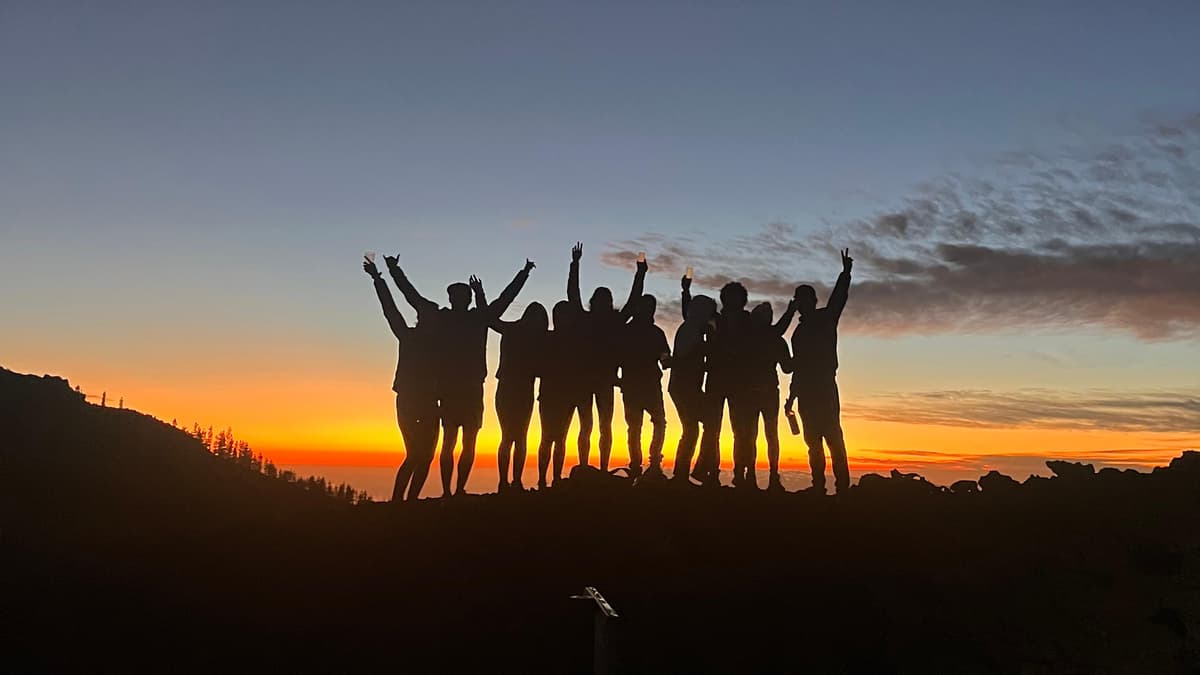
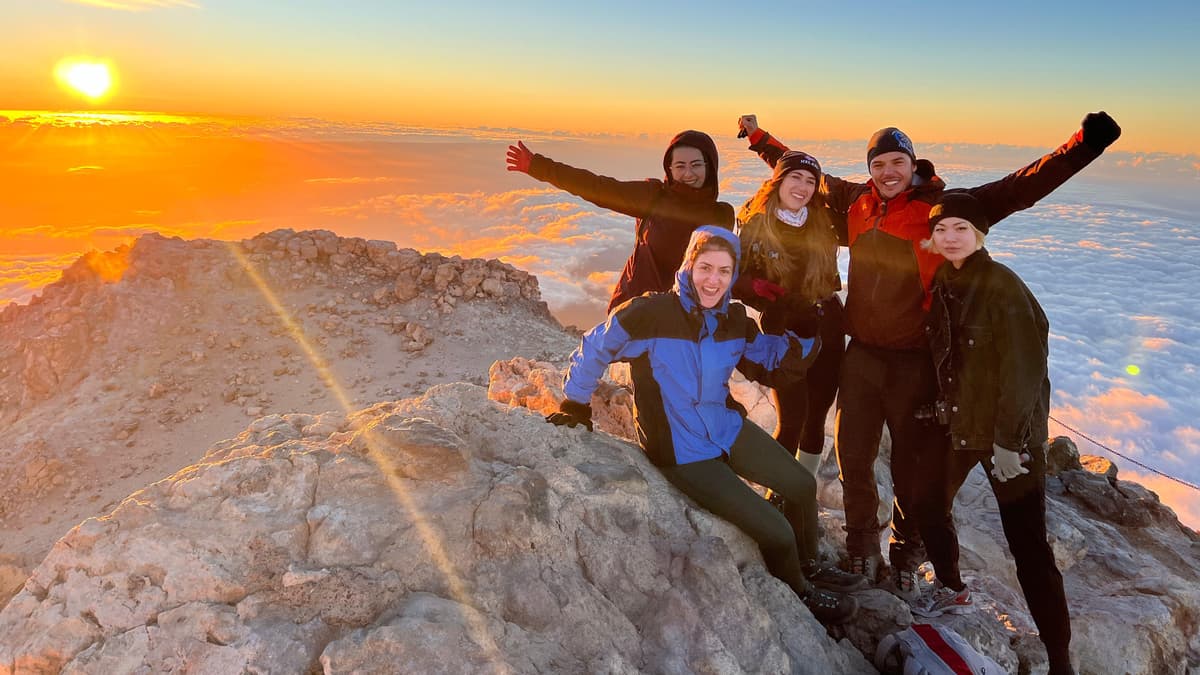
- Sunrise and sunset: magical for photos – join a guided sunrise or sunset hike or the night hike to the summit.
Crowds and permits
The park is busiest at weekends, in Spanish holiday periods and during the winter high season, when many northern Europeans visit Tenerife. Since 2026, permit quotas spread hikers out but also mean popular dates sell out. Book your PNT 09 reservation – or a guided tour with permit included – as soon as your dates are fixed. Details: Teide permits.
Live tours from GetYourGuide
Prices and availability load from GetYourGuide once you allow it.
All Teide National Park hikes →
Weather tips
- The coast forecast tells you little about conditions at 3,000 m – check a mountain forecast.
- A “sea of clouds” below the park is common; you often hike in sunshine above it.
- Wind makes it feel much colder; pack a windproof layer year-round.
- If the cable car is closed for wind, plan B is a lower walk such as the lava cave hike.
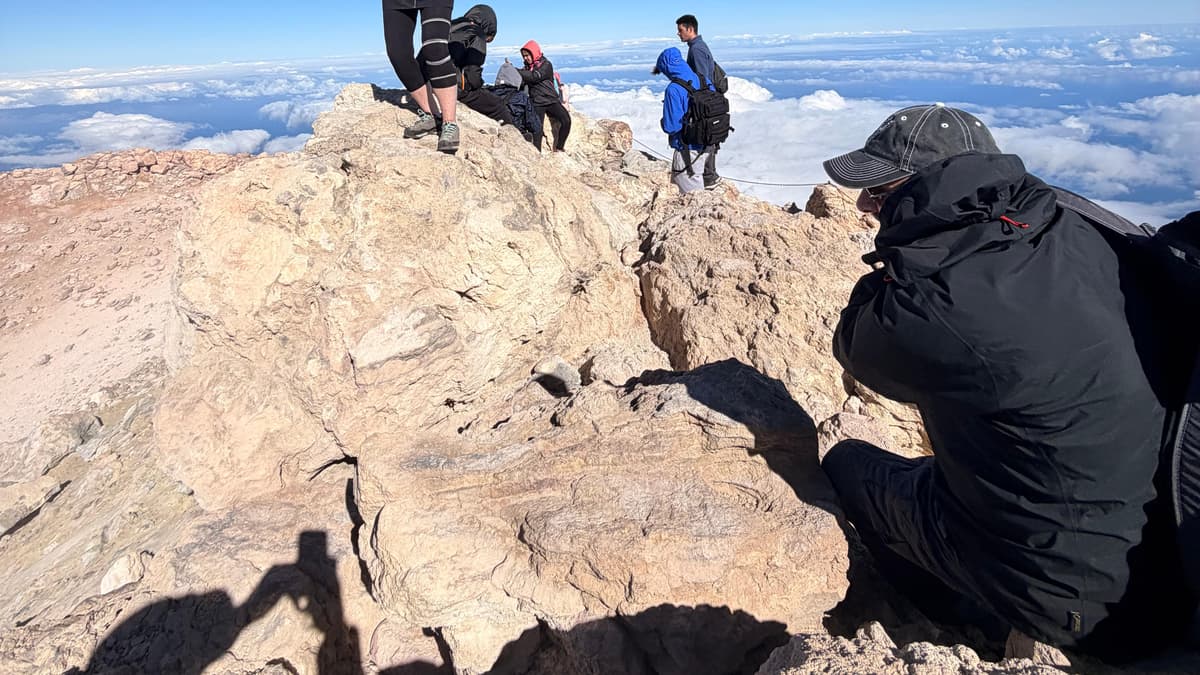
It is October and the morning is still. The pumice slopes are pale gold, the sky deep blue, and below you the clouds lie flat as a frozen sea from horizon to horizon, with the peaks of La Gomera and La Palma poking through. It is cool enough to walk all day and warm enough to sit on the crater rim for lunch. Autumn is prime time for the crater hike.
Busy dates
Expect the most visitors at weekends, during Spanish public holidays, around Christmas and Easter, and in the winter high season when many visitors from northern Europe are on the island. On these days, car parks fill early and permit quotas sell out first.
What to pack by season
- Winter: warm jacket, hat, gloves, waterproof layer, boots with good grip; check for ice.
- Spring/autumn: layers for cold mornings and warm afternoons, windproof jacket, sun protection.
- Summer: lightweight long sleeves, wide hat, high-SPF sunscreen, at least 3 litres of water, and a warm layer for early starts.
Trail closures
The park closes trails for snow, ice, strong wind, rockfall risk or fire danger, and can limit some routes to experienced mountaineers or accompanied groups. Closures are published on the official Tenerife ON site and at the trailheads. Plan a backup – a lower walk, the visitor centre, or a sightseeing day around the island.
Sunrise vs sunset hikes
Sunrise ascents need a night start and good fitness, but reward you with Teide’s shadow over the clouds and empty trails. Sunset hikes are easier to fit into a holiday day, with warm light on Pico Viejo’s crater – but leave enough time to descend safely in the dark with a head torch.
Acclimatisation
Tenerife’s visitors usually come straight from sea level. If you plan the crater or the summit, spend a day or two on the island first and consider an easier visit to the park before the big hike. Drink plenty, avoid alcohol the night before, and turn back if you feel unwell.
Our recommendation
For most people: a clear autumn or late-spring day, a reservation booked in advance, an early start and a flexible backup day. If conditions are doubtful, take the cable car and walk to the Mirador de Pico Viejo instead.
FAQ
Usually April to June and September to November, when it is mild and snow-free. Summer is possible with an early start; winter can bring snow and closures. Sometimes. Snow and ice can cover the high slopes between about December and March, and trails close until they are safe. As early as possible – early morning has the coolest temperatures, clearest air and leaves time for the slow descent. Yes, but start early, carry plenty of water and protect yourself from strong sun. Nights at altitude stay cold.What is the best month to hike Pico Viejo?
Is there snow on Pico Viejo in winter?
What time should I start the Pico Viejo hike?
Can you hike Teide in summer?